
Few plant families capture the imagination like the Poppy family. From the rare blue Meconopsis of the Himalayas to the cheerful California poppies (Eschscholzia): poppies enchant people around the world with their silky petals and elegant seed heads. No wonder that plant hunters and growers have been introducing new species and varieties to the market for centuries.
Poppies come in all shapes and sizes: perennial plants such as the Oriental poppy (Papaver orientalis), half-shrubs like the California tree poppy (Romneya coulteri), and countless annuals and biennials.
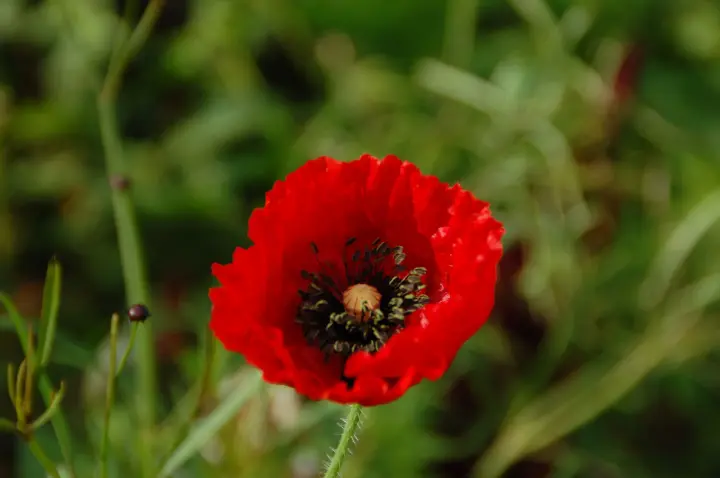
Papaver rhoeas
(the common poppy)
Everyone knows the red poppy: the symbol of wildflowers and idyllic summers, but also of the Great War. They grow 50–75 cm tall, tolerate almost any soil except wet, and thrive in full sun. The seeds can remain viable for up to a hundred years and often appear as pioneers on bare or disturbed ground.
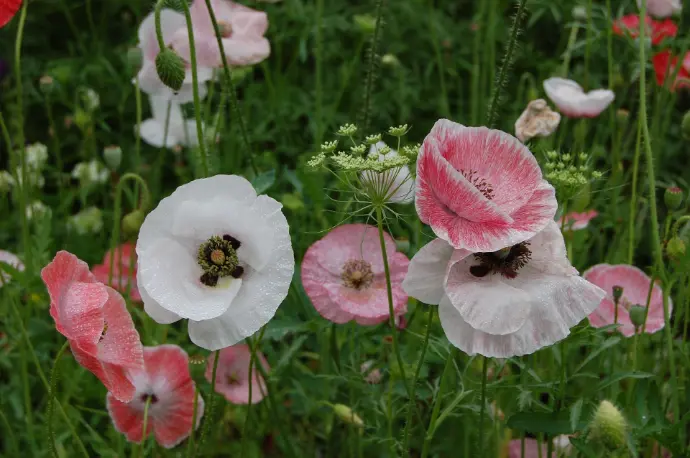
Thanks to Reverend Wilks from Kent (England), a whole new colour palette emerged in the 19th century. He discovered a poppy with a white edge, selected for many years, and created the famous Shirley Poppies. Today, there are countless varieties:
‘Reverend Wilks’ / ‘Falling in Love’ – softly coloured ankle and half-filled flowers.
‘Angel Choir’ / ‘Shirley Double’ – the same colour palette, but with filled flowers.
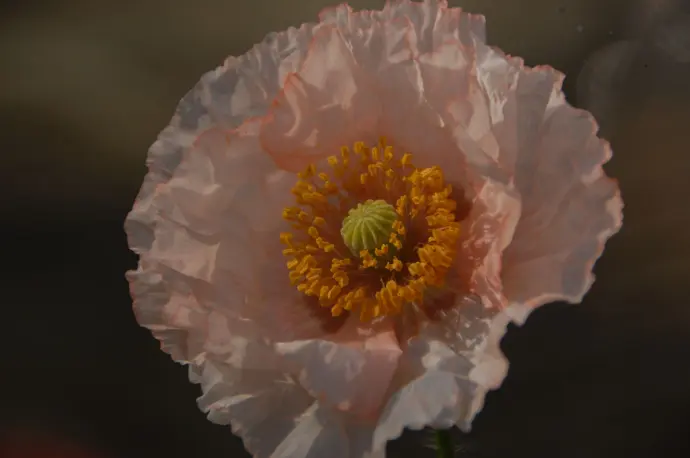
‘Mother of Pearl’ – developed by artist Sir Cedric Morris, with subtle pearlescent tones and sometimes even lavender blue.
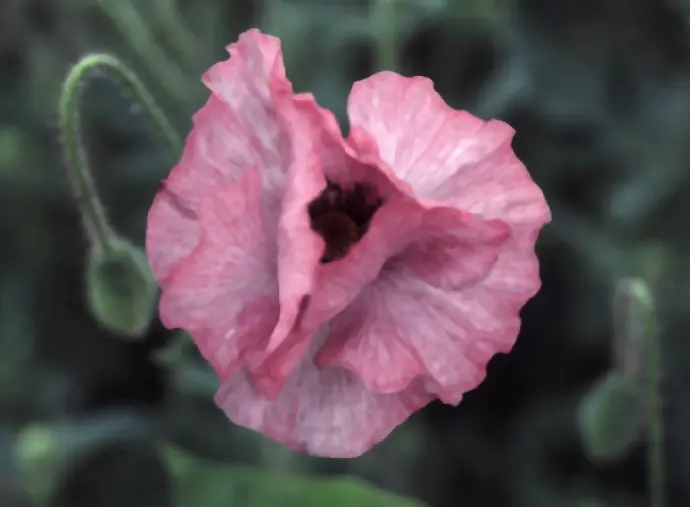
shirley double
Mother of pearl
Falling in love
Sowing Poppies
Sowing poppies is easy: scatter the seeds widely in spring or even better in winter. They do not need to be covered. Transplanting is not possible; at most, you can thin them out. Once established, they return every year. Note: to keep the colour mix pure, remove the red "runners".
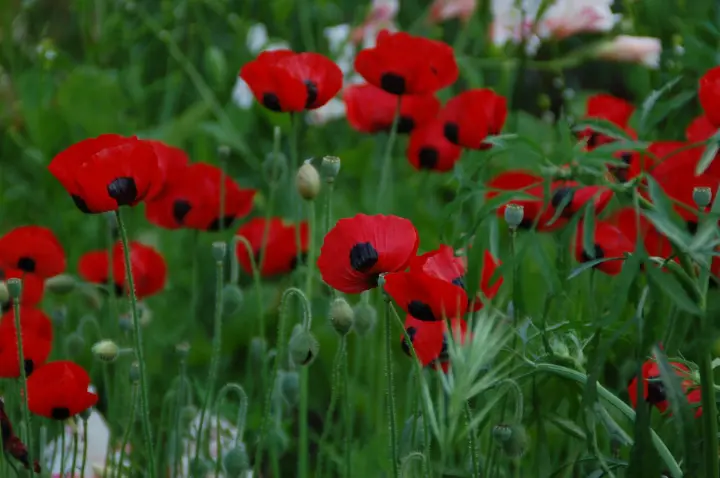
Papaver commutatum ‘Ladybird’
At first glance, this species resembles the common poppy, but the 'Ladybird' has striking fire-red flowers with large black spots that are reminiscent of a ladybird. It grows to about 60 cm tall and is just as easy to cultivate as Papaver rhoeas.
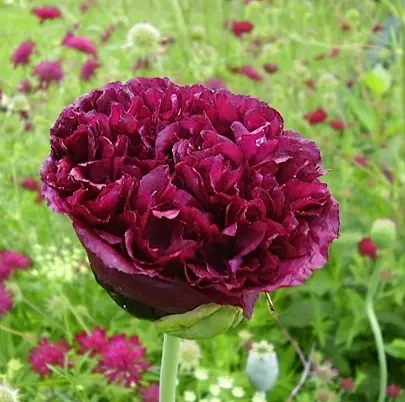
Papaver somniferum
(opium poppy )
The opium poppy is perhaps the most famous – and notorious – poppy. For centuries, opium was extracted from the unripe seed pods, the only effective painkiller until the 20th century. Nowadays, we mainly appreciate them for their ornamental value: grey-green leaves and stately stems up to 1.5 metres tall.
‘Black Paeony’ – a dark purple, filled peony-flowered variant.
‘Laciniatum’ – more lavish, with deeply cut petals.
‘Giganteum’ en ‘Minimum’ – respectively with gigantic or just tiny sperm balls.
‘Hen & Chickens’ – funny variety with small balls around a large "mother ball".
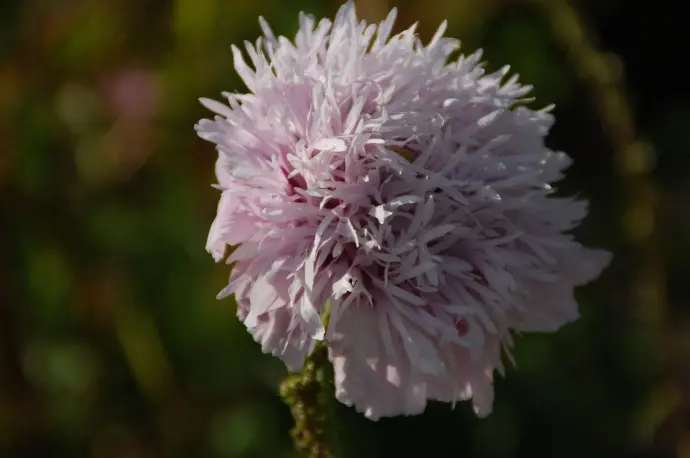
Laciniatum
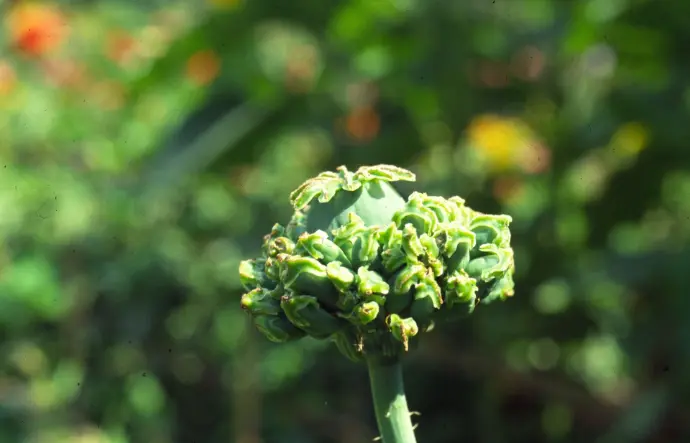
Hen & Chickens
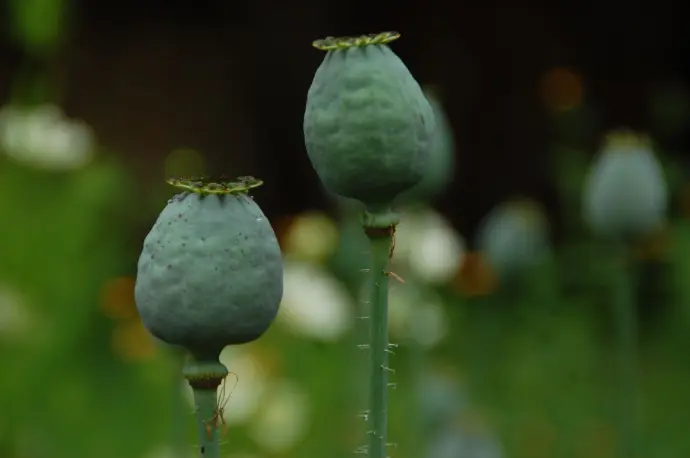
Giganteum
Sowing opium poppy
Sow directly outside from March, as pre-sowing or transplanting does not work. The soil should not be too poor and preferably sunny. They germinate better in spring than after a cold, wet winter.
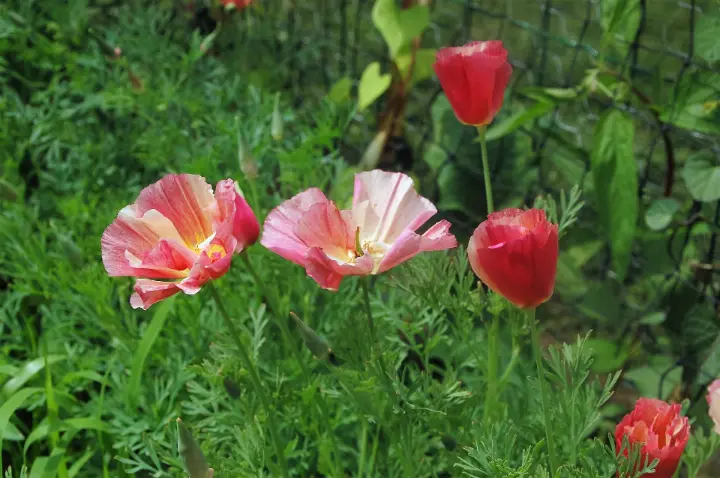
Eschscholzia californica
(Californian poppy)
These Californian mini-poppies have made a comeback in recent years. Originally yellow or orange, but now in countless colours and shapes. They bloom from June to September, sometimes into October, and love sunny, dry spots.
‘Purple Gleam’ – lilaroze with creme heart.
‘Milky White’ – classic with soft silky flowers
‘Ballerina’ – mix of yellow, orange, pink, white.
‘Thai Silk’, ‘Apricot Chiffon’, ‘Champagne & Roses’ – compact species with wavy petals.
‘Sundew’ (E. caespitosa) – low species (20 cm) with light yellow mini-flowers.
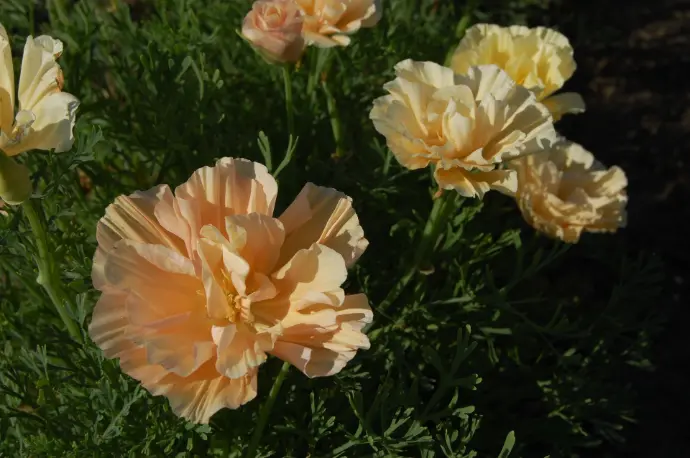
Champagne
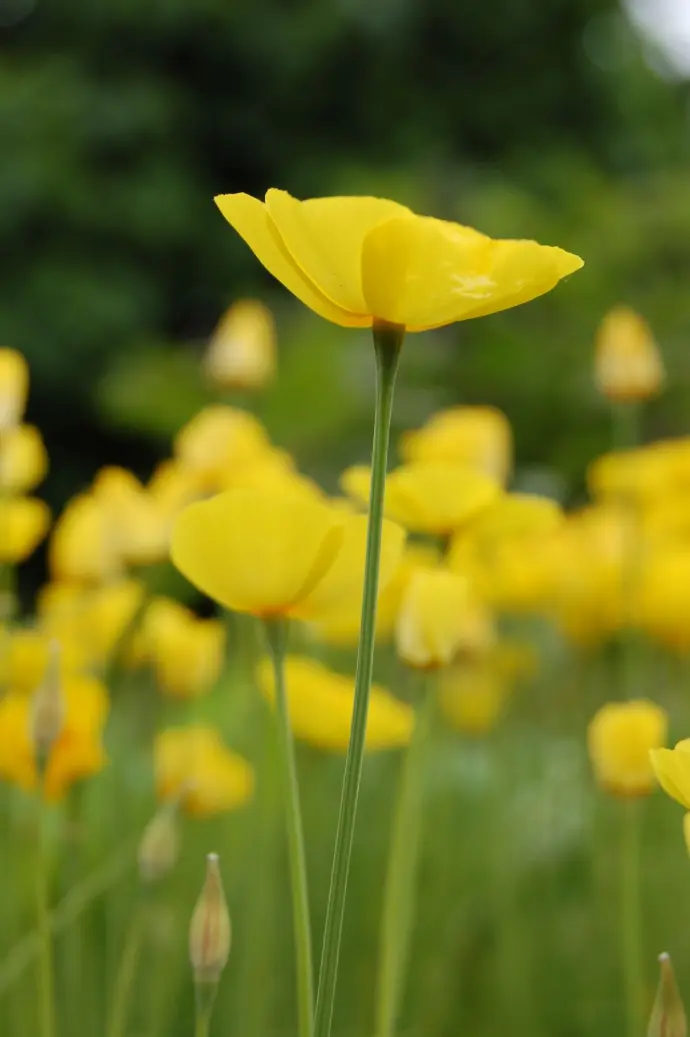
Sundew
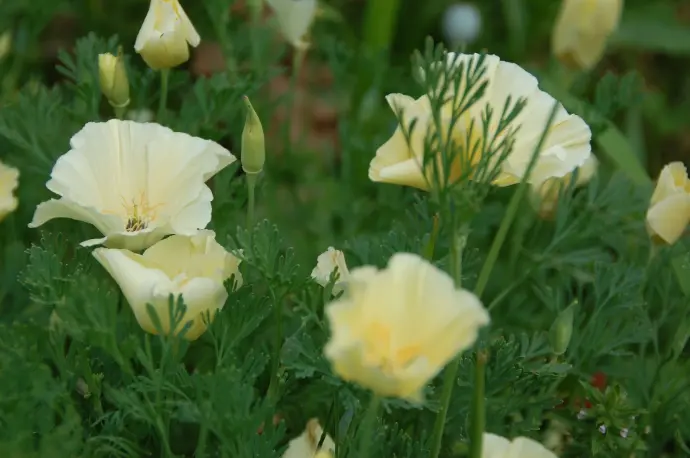
Milky white
Sowing Californian poppy
Sow directly in open ground, in spring or autumn. They do not like being transplanted and thrive in light, dry spots. Provide enough space: they can grow into substantial bushes up to 50 cm wide in autumn.
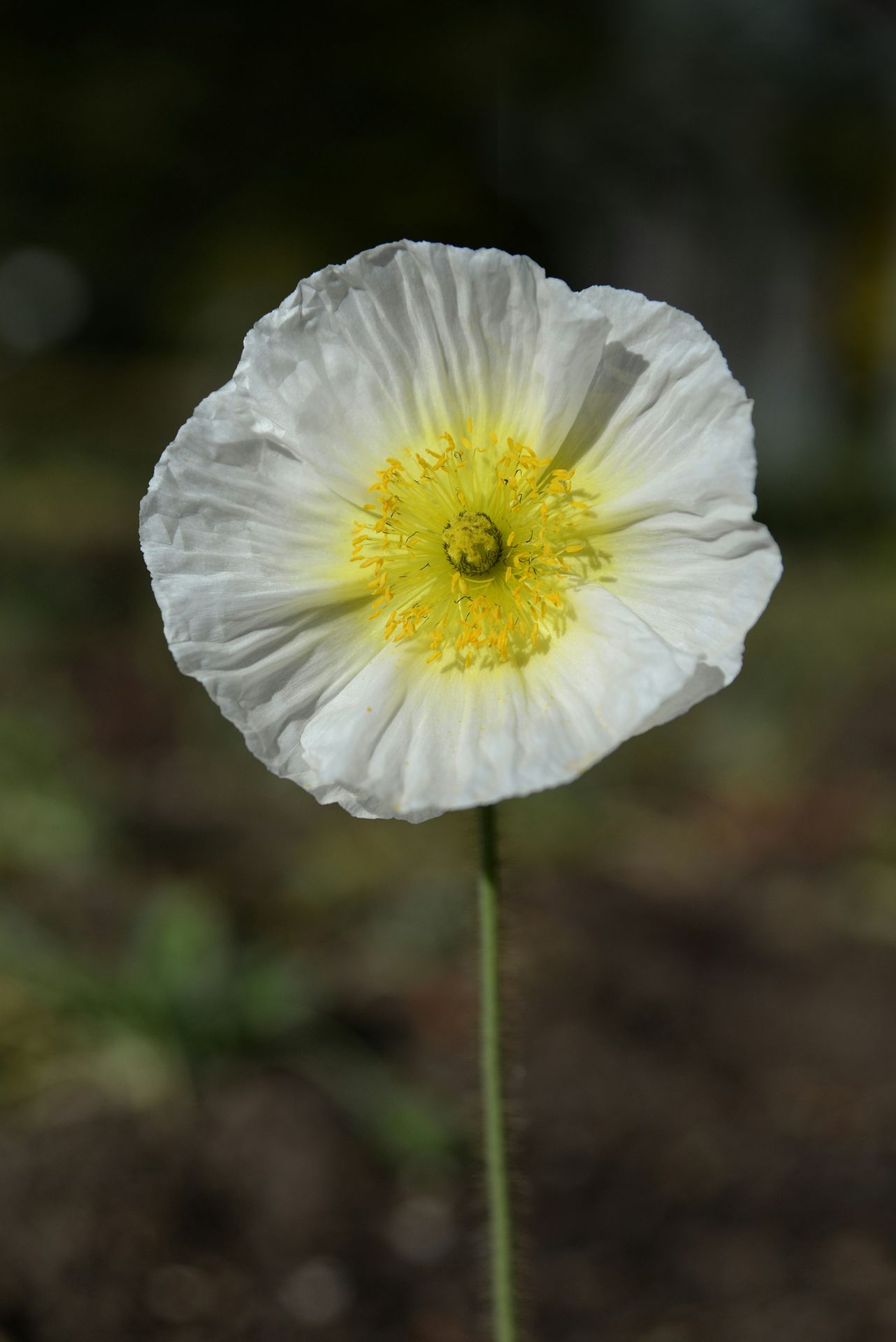
Papaver nudicaule
(Iceland poppy)
Despite its name, this poppy does not come from Iceland, but from the cold north of the world. Numerous variants in pastel colours, from apricot to lavender blue, have been cultivated from the original yellow species. They bloom all summer and are excellent cut flowers – provided the stems are briefly scorched.
Sowing Iceland poppy
They are usually grown as annuals or biennials because they do not survive well over winter in wet soil. Sow in March–April for flowering in the same year, or in July for flowering the following year. Transplanting is possible, which distinguishes them from their relatives.
Whether you are drawn to the romantic charm of Shirley Poppies, the extravagant shapes of the opium poppy, or the cheerful simplicity of corn poppies – the poppy family offers endless variety. And the best part: they are often surprisingly easy to sow, as long as you leave them alone and let the sun do its work.
in our assortiment
discover here which poppies we offer